Skip to content

HomeProgramsEvents & Speaking

The session people remember is the one they were in.

We are facilitators rather than strictly keynote speakers. What we bring to a program is the slot where the room stops watching and starts doing something, which is usually the slot people talk about afterward.

Let’s Talk
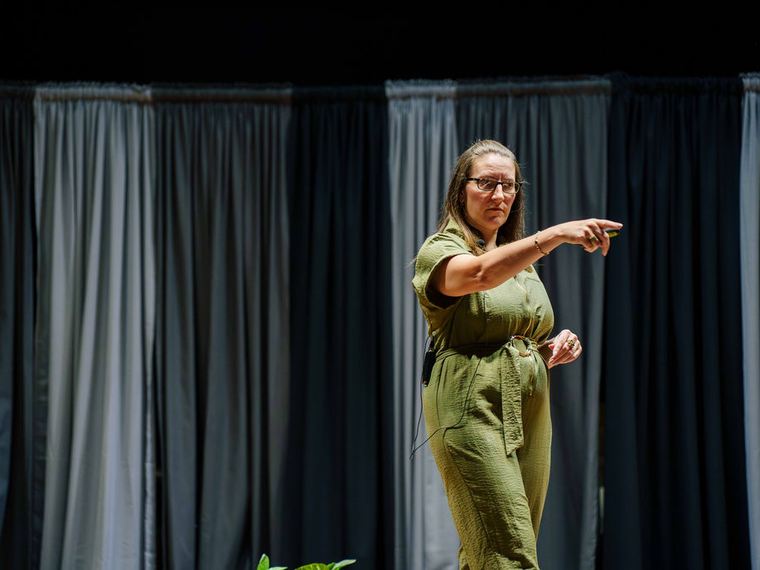
Lainie Hodges presenting on stage, gesturing to an audience.

The record

Where we’ve been to bring joy and connection.

2026
Beyond the Field Player Development Summit
2021, 2022, 2026
Institute for Creative Teaching
2025
Town Hall of Denver
2024
NASCAR Competitor Development Seminar
2021
Leadership Denver
2019
PAADS Player Development Summit
2019
NFL Annual Meeting
2019
Colorado Department of Education Creative Learning Labs
2018
Young Audiences National Conference
Seattle Seahawks Family Weekend
Las Vegas Raiders Family Boot Camp
Kansas City Chiefs Family Weekend
Washington Commanders Family Weekend
Miami Dolphins Family Weekend
More about our approach

The argument

By the third talk, a room has stopped listening.

Everyone who plans a conference knows this. The content is good, the speakers are good, and somewhere after lunch on day one the audience quietly switches to their phones. It is not a failure of the program. It is what happens to people who have been sitting and receiving for six hours.

A participatory session resets that. People stand up, work with someone they have not met, and spend forty minutes doing instead of absorbing. They also meet each other properly, which is the thing most attendees say they came for and most programs leave to chance at the bar.

Sessions

Three formats.

The Opener

A session near the start of a program that gets a room of strangers actually talking to each other. It makes every conversation for the rest of the conference easier, and it is the cheapest possible investment in whether people come back next year.

45 to 60 minutes · plenary · best for conferences where most attendees arrive not knowing anyone
The Working Session

A Development Lab run as a breakout or a plenary, built around one skill the audience shares a need for. Listening across a difference in seniority, adapting when a plan changes, or giving feedback that lands. This is the format that does the most work.

90 minutes to a half day · breakout or plenary · best for professional development and association programs

The Talk

When the slot genuinely calls for someone on a stage, Lainie speaks about the development model underneath the work and why play is a serious instrument. It includes participation, but less of it. We will usually suggest one of the formats above instead, and say so on the call.

30 to 45 minutes · stage · best for annual meetings and programs with fixed formats

In their words

From the person who put us on the program.

When I first called and asked her to be a part of it, she didn’t immediately jump into what she could offer. She wanted to understand our goals, ask questions, and learn what we wanted attendees to experience.

She also wasn’t someone who simply arrived, delivered her session, and left. She spent Friday building relationships and becoming part of the community before leading us on Saturday morning. She understood the assignment because she took the time to understand the why behind it first.

Ed JonesFounder, Beyond the Field Player Development Systems, on the 2026 Player Development Summit
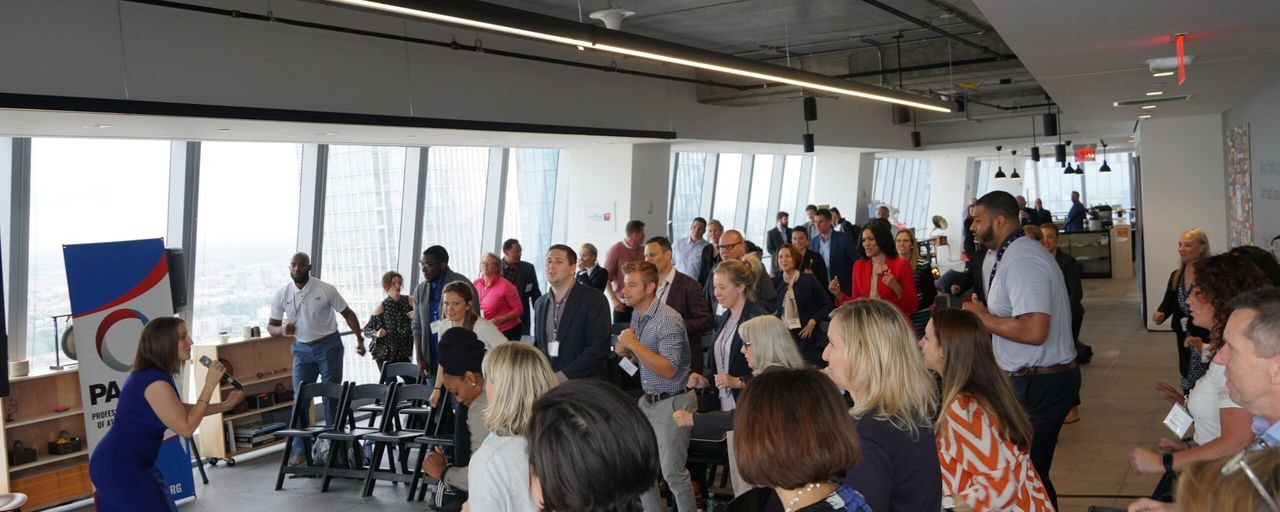
Conference attendees standing and moving during a session.
Athlete Development Summit, PAADS, 2019.

The program

Where this lands in a run of show.

The slot matters as much as the content. Four places this tends to earn its space.

  1. Day one

    Before the content starts

    A room that has already worked together pays better attention to everything that follows, and asks better questions in the Q and A.

  2. After lunch

    The slot nobody wants

    The hardest hour on any agenda. Putting a session here that requires people to stand up is the most reliable fix we know for it.

  3. Breakout

    The working track

    A smaller room and a self-selected audience, which means people who chose to be there and a session that can go further.

  4. Closing

    The last thing they do

    People leave having done something together rather than having listened to a summary of the two days they just had.

Getting the brief right

What planners ask for, and what we usually recommend.

None of these are a no. They are worth settling on the call rather than three weeks before the event.

You might ask forWe would probably suggest

A keynote to open the conference.

A participatory opener in the same slot. A keynote sets a tone. An opener sets a tone and gets four hundred people talking to each other, which is the harder problem and the one your attendees actually came to solve.

A session for a ballroom of five hundred.

Either a breakout instead, or a format built for that number with the seating changed. Theater rows facing a stage work against everything this session does. It can be done at scale, but not at scale and seated.

Twenty minutes between two speakers.

Give it enough time to land. Around forty-five minutes can be a challenging window: enough time to get people engaged, but sometimes not quite enough to explore what happened and connect it back to the way they work together. When possible, we prefer to give a session enough room for people to experience something, reflect on it, and leave with an insight they can actually carry into Monday.

Your standard talk.

A twenty-minute call first. Every session we run is built around what a specific audience is dealing with. There is no standard version, which is why there is no fee for a discovery conversation.

Planning details

What the room needs.

Worth knowing early, because the room is usually booked before the session is.

Seating
Chairs that move, or floor space to stand. Fixed theater seating limits the session significantly
Group size
Works as small as 5 to several hundred, with the format changing at around 80
Audio
A wireless lavalier or handheld. No slides required
Travel
Based in Denver, available nationally and internationally

Tell us about your program.

A brief phone call is usually enough to work out which slot this belongs in and what the session should be built around.

Let’s Talk